THERMAL BREAK FRAMES

Thermal-Break vs Non-Thermal-Break Aluminum Frames

Thermal-break aluminum frames include a lower-conductivity separation between metal sections to reduce heat transfer through the frame. Non-thermal-break frames do not use that same separation.

For importers, distributors, contractors, project buyers and homeowners planning custom aluminum windows.
Own factoryCustom configurationsProduct documentation
BUYER RESOURCESThermal Break Frames
Thermal Break Frames — product and factory reference
REFERENCE VIEWThermal Break Frames

Start with the Frame, Then Compare the Whole Product

The frame construction is only part of a window or door specification. Glazing, overall dimensions and the opening configuration also matter when reviewing whole-product performance.

A Catalogue Example: Same Glazing Description, Different Frames

Catalogue entryFrame constructionCatalogue glazingProfile wall thickness
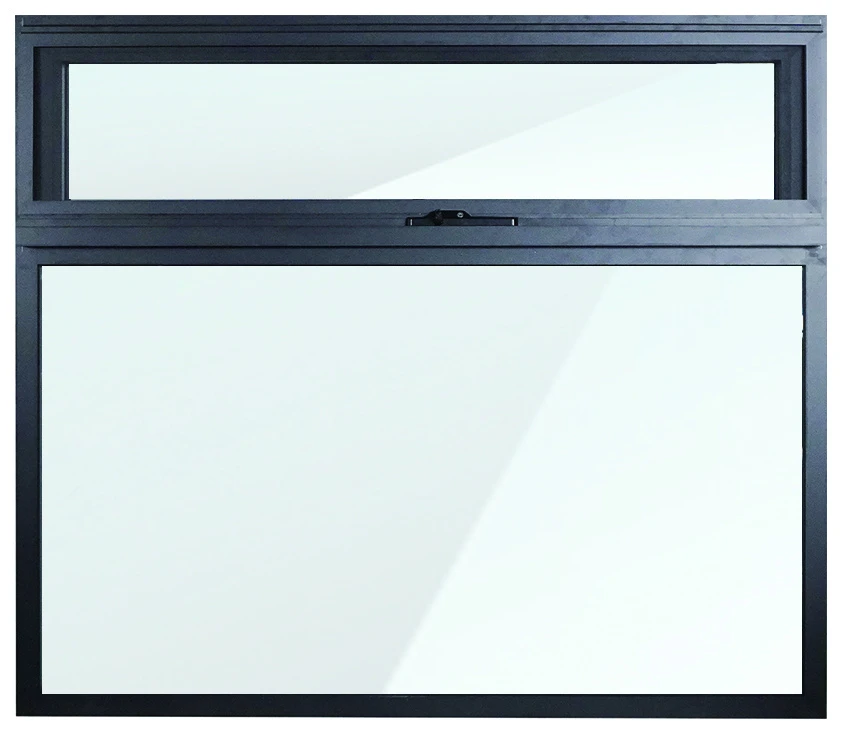
YSA55A — YJ-P003Non-Thermal Break5mm+12A+5mm clear tempered double glazing1.8 mm
YSA80A — YJ-P004Thermal Break5mm+12A+5mm clear tempered double glazing1.4 mm

Both entries list the same glass build-up, but their frame constructions differ. This illustrates why “double glazed” and “thermal-break” answer different questions. It is not a controlled performance comparison between the two windows.

Compare Awning Window Ranges ↗

Do Not Treat the Series Name as a Rating

A thermal-break description does not by itself establish a particular U-factor, acoustic result or project approval. Ask for the information relevant to the proposed configuration.

Read Each Performance Field in Context

InformationWhat to identify
Frame constructionWhether the quoted frame is thermal-break or non-thermal-break
Glass specificationThe build-up included in the proposed configuration
Thermal valueWhether it describes the glass or the complete window, with units
Supporting recordThe named system, dimensions and method described in the document
Review the Technical Documents ↗

Questions for Your Inquiry

What thermal-performance requirements has your project team specified?

Are the quoted values for the glass or the complete window or door?

Which units and test or calculation method are used?

Does the supporting document describe the proposed configuration?

Explore Both Frame Types

ENGGIA’s catalogue includes thermal-break and non-thermal-break products in several opening categories. Share your requirements to discuss a starting range.

Discuss My Window & Door Requirements ↗

Connect thermal claims to a specific record

A wind and water test preview does not establish a thermal rating. Request the thermal-performance evidence for the exact frame, glazing and dimensions you are considering.

Read the document matching checklist ↗Separate glass choices from frame construction ↗

FAQ

Before we begin.

A few things to know before you start your window and door inquiry.

Does double glazing make a frame thermal-break?

No. Double glazing describes the glass arrangement, while thermal-break describes the frame construction. A non-thermal-break frame can be shown with double glazing in the catalogue. Read both fields when comparing the entries.

Is a thermal-break frame the same as a certified energy rating?

No. It describes a construction feature, not a certification status or a particular whole-product result. A rating must be tied to the relevant document and configuration.

Can I compare glass Ug with whole-window Uw?

They describe different parts of the product assessment: glass alone and the complete window respectively. Identify what each value measures before using it in a comparison, and check the units and supporting method.

Does thermal-break construction guarantee that condensation will never occur?

Condensation depends on the conditions, complete product and installation; thermal-break construction alone cannot guarantee that it will never occur. Do not treat a frame description as proof that condensation is impossible in every use environment.

Is non-thermal-break construction suitable for my project?

Start with the requirements specified for your project and compare the proposed complete product against them. The catalogue description alone cannot establish suitability for every climate or building use.

Which ENGGIA ranges include both frame types?

The initial catalogue includes both types within awning windows, sliding windows, sliding doors and bifold doors. The listed casement entries are thermal-break. See the relevant category table for the specific model and glass configuration.

YOUR PROJECT, YOUR CONFIGURATION

Start with your opening schedule.

Share products, dimensions, quantities and destination.

Request a Quote ↗