PRODUCT RANGES

Explore Our Aluminum Windows & Doors

Start with the way you want each opening to work. Compare our main window and door ranges, then send the dimensions and configuration details for your project.

For importers, distributors, contractors, project buyers and homeowners planning custom aluminum windows.

Own factoryCustom configurationsProduct documentation
ENGINEERED OPENINGSProduct Ranges
Product Ranges — product and factory reference
FEATURED SYSTEMProduct Ranges

FIND YOUR OPENING TYPE

Door & window ranges

Sliding Doors — product and factory reference

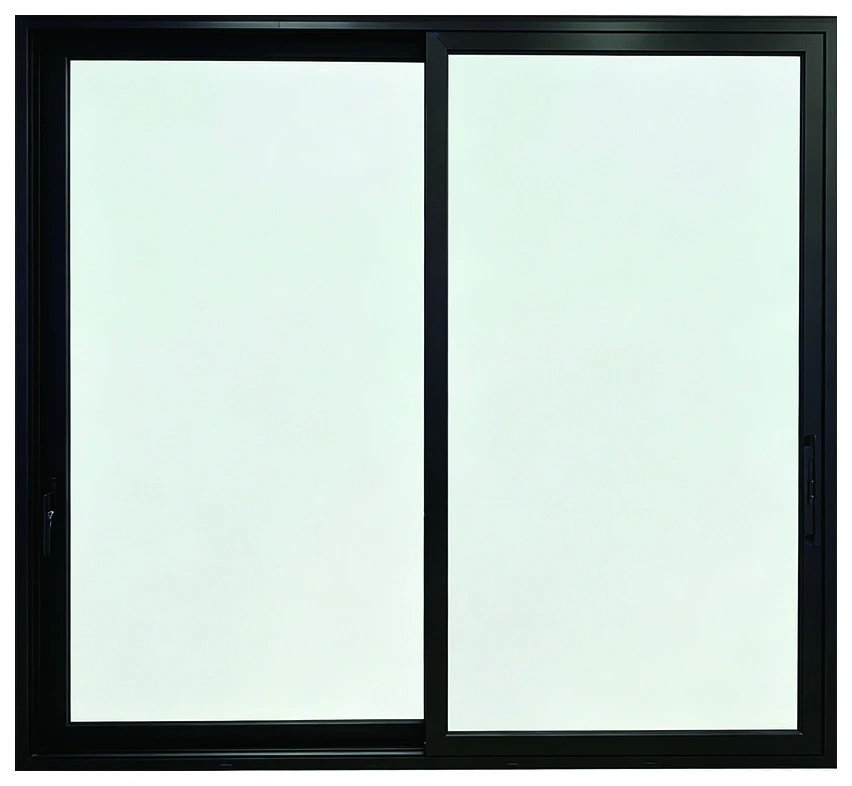
Sliding Doors

Sliding doors move along the frame rather than swinging into the room. Explore our thermal-break, non-thermal-break and ultra-slim catalogue options, then discuss the panel layout and operating mechanism for your project.

Explore Sliding Doors ↗
Bifold Doors — product and factory reference

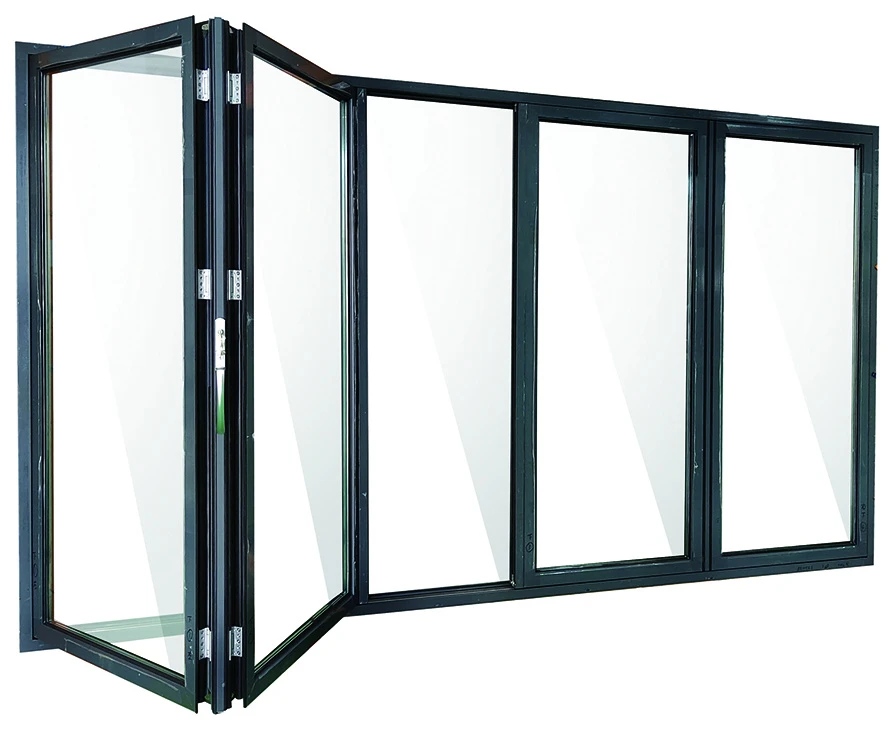
Bifold Doors

Bifold doors connect multiple panels that fold and stack to one or both sides, depending on the layout. Compare our thermal-break and non-thermal-break ranges and tell us how you want to use the opening.

Explore Bifold Doors ↗
Awning Windows — product and factory reference

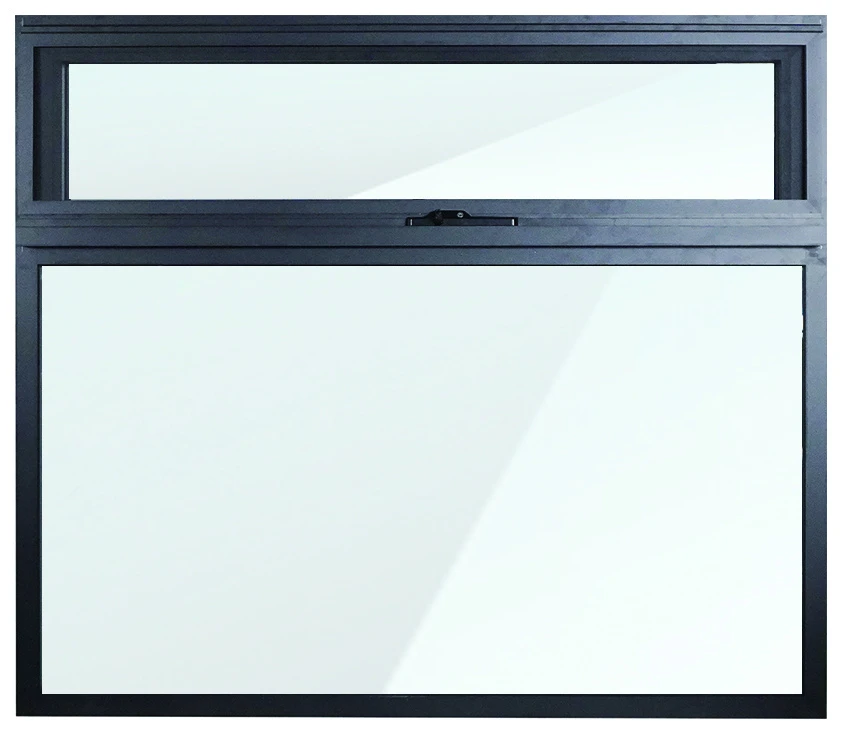
Awning Windows

Awning windows are hinged at the top and open outward. Our catalogue includes thermal-break and non-thermal-break aluminum awning window ranges for buyers comparing frame construction, glazing and opening requirements.

Explore Awning Windows ↗
Sliding Windows — product and factory reference

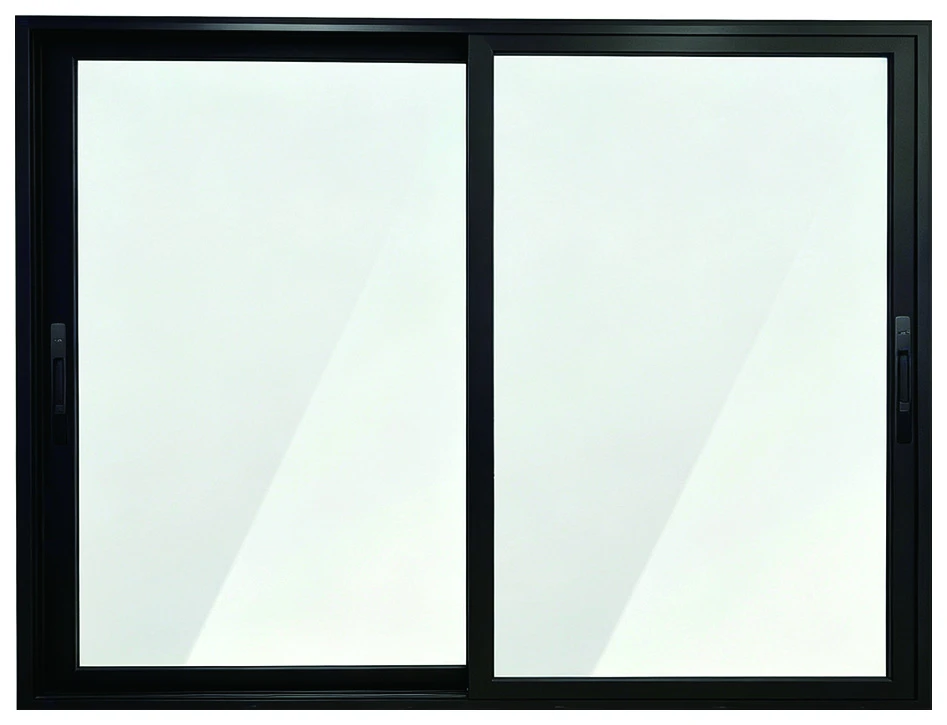
Sliding Windows

Sliding windows move horizontally along the frame. Compare the YSS100A non-thermal-break range with our thermal-break sliding window options, then discuss panel movement, glazing and installation requirements.

Explore Sliding Windows ↗
Casement Windows — product and factory reference

Casement Windows

Explore our thermal-break aluminum casement window ranges, including a crank-handle option. Send the opening direction, dimensions and glazing needs to discuss a suitable configuration.

Explore Casement Windows ↗

Other opening types

YKC80A Thermal Break Aluminium Tilt and Turn Window — catalogue product

YJ-P010

YKC80A Thermal Break Aluminium Tilt and Turn Window

Thermal Break

5mm+24A+5mm Clear Tempered Double Glazing

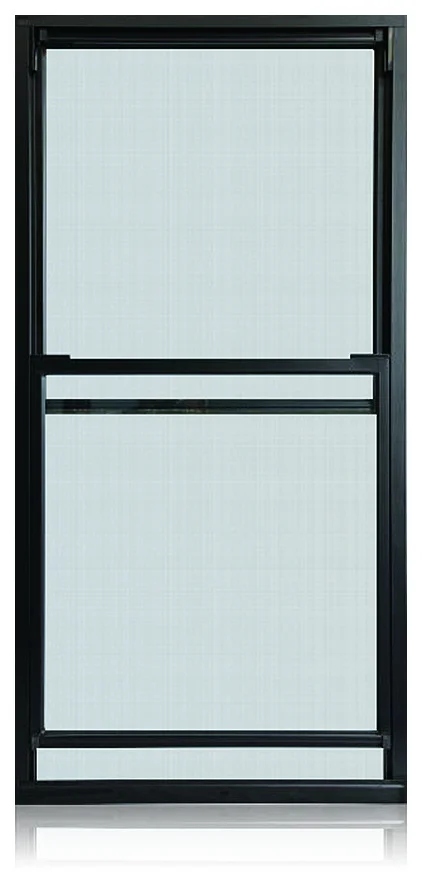
YSH100A Non-Thermal Break Aluminium Double Hung Window — catalogue product

YJ-P018

YSH100A Non-Thermal Break Aluminium Double Hung Window

Non-Thermal Break

5mm+12A+5mm Clear Tempered Double Glazing

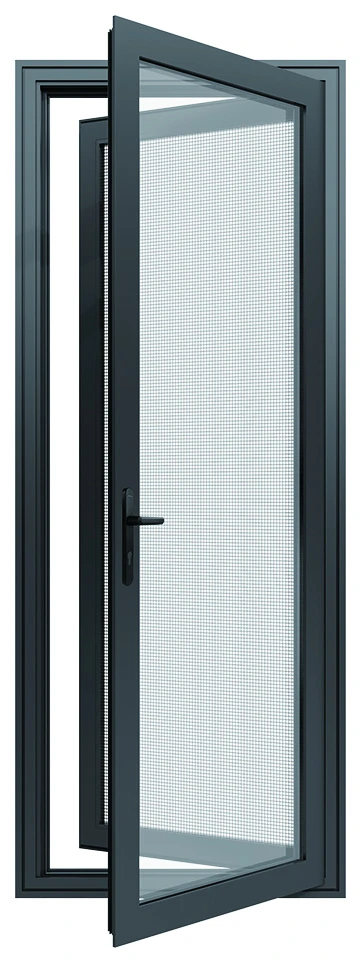
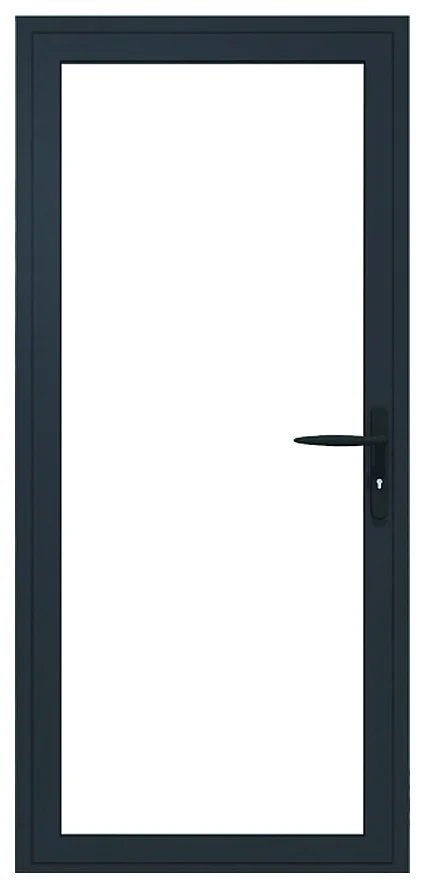
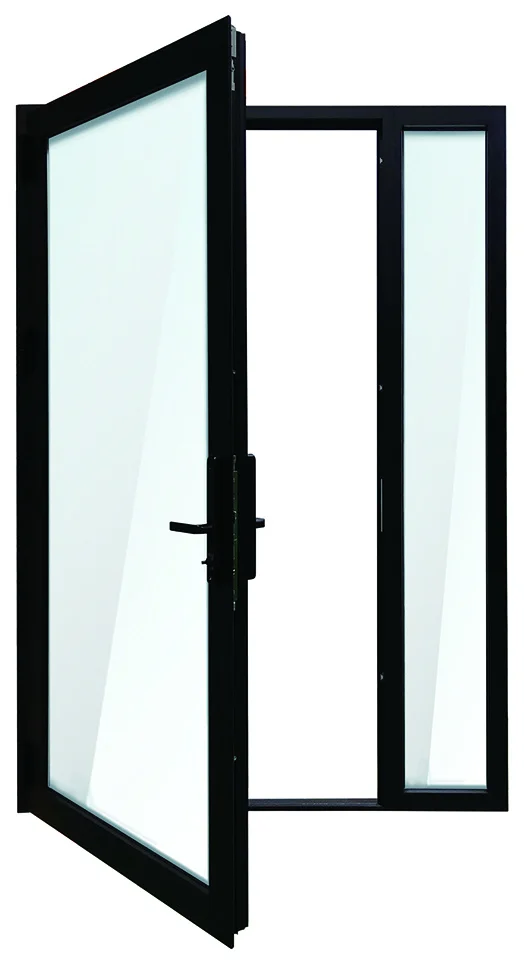
YSD100A Non-Thermal Break Aluminium Swing Door — catalogue product

YJ-P030

YSD100A Non-Thermal Break Aluminium Swing Door

Non-Thermal Break

5mm+15A+5mm Clear Tempered Double Glazing

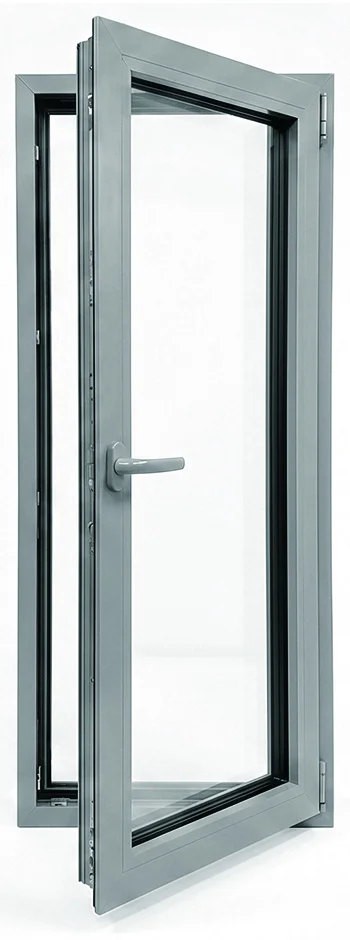
YSD100B Thermal Break Aluminium Swing Door — catalogue product

YJ-P031

YSD100B Thermal Break Aluminium Swing Door

Thermal Break

5mm+12A+5mm Clear Tempered Double Glazing

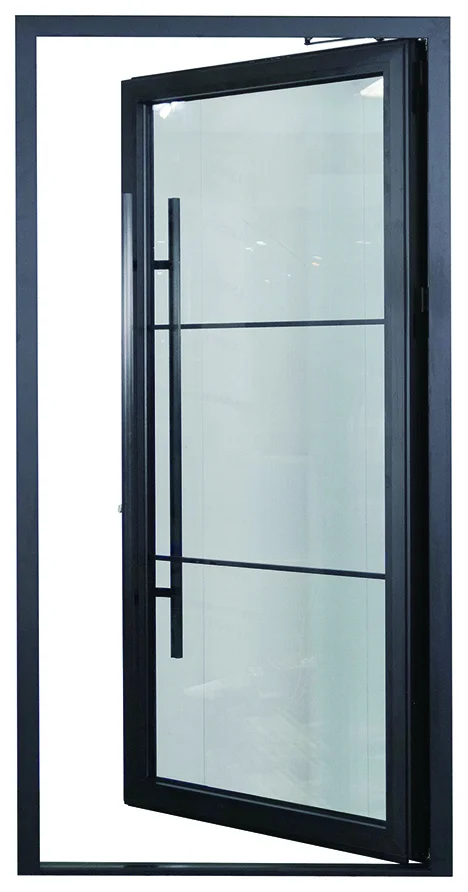
YKD80A Thermal Break Aluminium Swing Door — catalogue product

YJ-P032

YKD80A Thermal Break Aluminium Swing Door

Thermal Break

5mm+24A+5mm Clear Tempered Double Glazing

FAQ

Before we begin.

A few things to know before you start your window and door inquiry.

Where should I start if I have not chosen a series?

Choose the opening type first, then compare the frame construction and glass options within that range. Send your dimensions and project requirements if you need help narrowing the choice. When referring to a catalogue entry, include its product ID or page link because some model names are reused.

What is the difference between thermal-break and non-thermal-break products?

The terms describe the frame construction. A thermal-break frame includes a separating material between metal sections to reduce heat transfer through the frame. Whole-product performance also depends on the glazing and configuration; the frame description alone is not a complete energy rating.

Can I include different opening types in one inquiry?

Yes. List each opening type and quantity separately in one project schedule. Identify which items share a finish or glazing requirement, and which require a different configuration. This gives us a clear basis for discussing the complete product list.

Does the catalogue glass specification apply to every custom order?

The specification tables on the individual category pages show the catalogue configuration for each entry. If your project requires different glass, describe the required build-up or performance target. The proposed glazing and its compatibility with the selected frame should be identified in the quotation.

Can I request a product that is not one of the five main categories?

You can inquire about the other catalogue opening types shown on this page. Include a reference picture, opening type or drawing where possible. Products not listed in the catalogue need to be discussed individually; their availability should not be assumed.

Why are there no fixed prices on the product pages?

A custom order needs a defined configuration before prices can be meaningfully compared. Dimensions, operation, glazing, finish, hardware, quantities and delivery scope all need to be identified in the proposal. Use the RFQ checklist to prepare the information.

YOUR PROJECT, YOUR CONFIGURATION

Start with your opening schedule.

Share products, dimensions, quantities and destination.

Request a Quote ↗